Introduction
In a groundbreaking discovery that has captivated the scientific community and the general public, the James Webb Space Telescope (JWST) has detected potential signs of life on the exoplanet K2-18b, located approximately 120 light years away from Earth. This remarkable finding could signify a monumental step forward in our quest to understand the universe and our place within it.
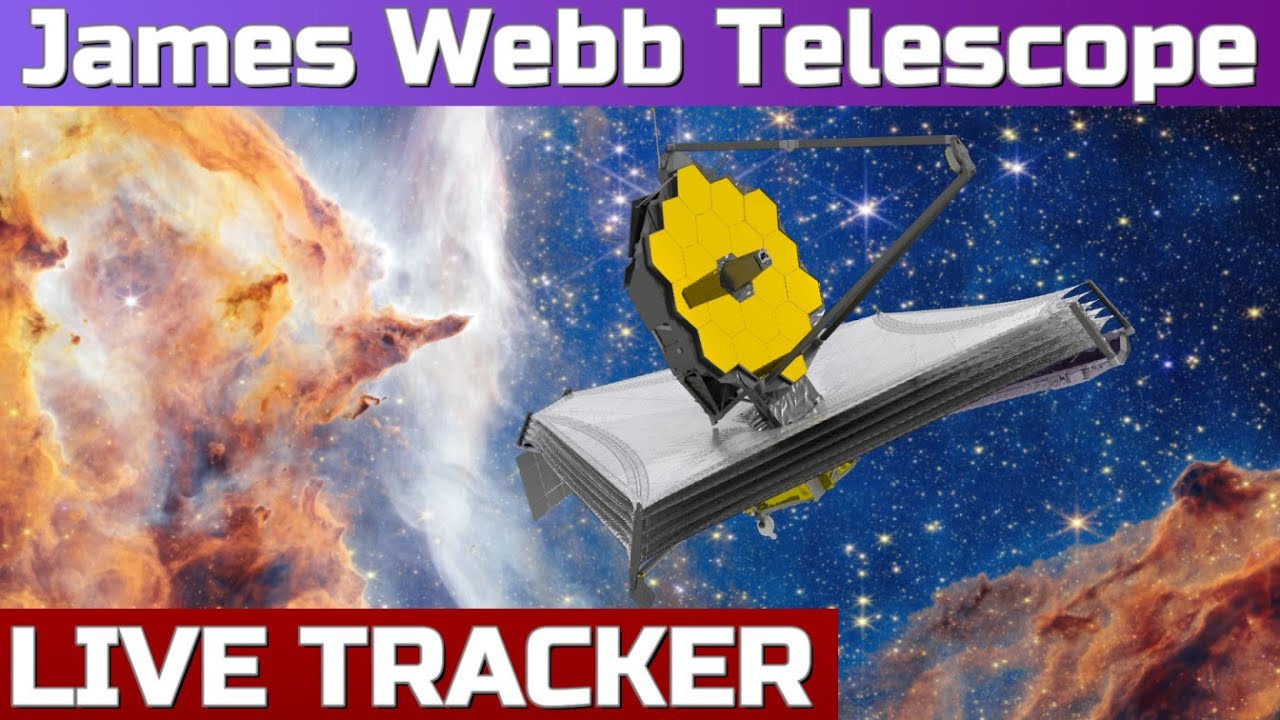
The James Webb Space Telescope
Advanced Capabilities
State-of-the-Art Technology: Launched in December 2021, JWST is equipped with cutting-edge infrared sensors and high-resolution cameras, enabling it to observe distant celestial objects with unprecedented clarity.

Mission Goals: Its primary objectives include studying the formation of stars and galaxies, analyzing the atmospheres of exoplanets, and searching for signs of extraterrestrial life.
Previous Discoveries
Exoplanet Research: JWST has already provided valuable data on numerous exoplanets, enhancing our understanding of their compositions and potential habitability.
K2-18b: An Overview
Location and Characteristics
Distance and Size: K2-18b is located in the constellation Leo, about 120 light years away. It is classified as a super-Earth, with a mass and radius larger than Earth but smaller than that of Neptune.
Habitable Zone: The planet orbits its host star, K2-18, within the habitable zone, where temperatures could allow for liquid water to exist on its surface.

Previous Observations
Initial Discovery: K2-18b was discovered in 2015 by the Kepler Space Telescope.
Atmospheric Studies: Earlier observations suggested the presence of water vapor in the planet’s atmosphere, hinting at its potential to support life.
Detection of Signs of Life
Atmospheric Analysis
Spectroscopic Data: Using its advanced instruments, JWST conducted a detailed analysis of K2-18b’s atmosphere, detecting a variety of gases and compounds.
Biosignatures: The presence of certain gases, such as methane and ammonia, in specific ratios, alongside water vapor, strongly suggests biological activity.
Potential for Habitability
Liquid Water: The detection of water vapor indicates that liquid water, a crucial ingredient for life as we know it, could exist on K2-18b.
Earth-like Conditions: The combination of atmospheric gases and the planet’s location in the habitable zone points towards Earth-like conditions that could support microbial life.
Implications of the Discovery
Astrobiological Significance
Evidence of Life: This finding represents one of the most compelling pieces of evidence yet that life may exist beyond Earth.
New Research Directions: The discovery will likely spur further astrobiological studies and missions focused on K2-18b and similar exoplanets.
Philosophical and Ethical Considerations
Human Perspective: The potential discovery of extraterrestrial life challenges our understanding of life’s uniqueness and prompts profound questions about our place in the universe.
Ethical Issues: The implications of potentially interacting with extraterrestrial life forms, even if only at a microbial level, raise significant ethical considerations.

Next Steps in Exploration
Continued Observations
Follow-Up Studies: Scientists plan to conduct more detailed observations of K2-18b’s atmosphere using JWST and other telescopes to confirm the presence of biosignatures.
Long-Term Monitoring: Ongoing monitoring will help determine the stability and variability of the detected atmospheric compounds.
Future Missions
Targeted Exploration: The discovery may lead to the development of new space missions aimed at studying K2-18b and other promising exoplanets in greater detail.
Technological Innovations: Advancements in space exploration technology will be crucial for further investigating the potential for life on distant worlds.
Public and Media Reaction
Global Fascination
Media Coverage: The announcement has received widespread media attention, sparking curiosity and excitement around the world.
Public Engagement: The potential discovery of life on another planet has reignited public interest in space exploration and the search for extraterrestrial life.
Scientific Community Response
Collaborative Efforts: Researchers from various disciplines are coming together to analyze the data and explore the implications of this discovery.
Cautious Optimism: While the findings are promising, scientists emphasize the need for further research and verification before drawing definitive conclusions.