NASA Slammed a Rocket Into the Moon and It Kept Ringing — Solid Rock Stops in Seconds
The Moon That Would Not Stop Shaking
The Apollo Impact Experiments
During the Apollo missions, NASA intentionally crashed rocket stages and lunar modules into the Moon to study its internal structure. Seismometers placed on the surface recorded the impacts.
One impact caused the Moon to vibrate for 3 hours and 20 minutes. Engineers had to reduce the instrument sensitivity because the signal was too strong. Similar results were recorded across six missions.
Instead of absorbing the energy like Earth, the Moon transmitted seismic waves for a very long time, behaving like a ringing bell.
Why the Moon Rings
Scientists explained this behavior through the Moon’s physical structure.

- dry and rigid
- lacks oceans and atmosphere
- has no active plate tectonics
- contains thick layers of fractured rock (megaregolith)
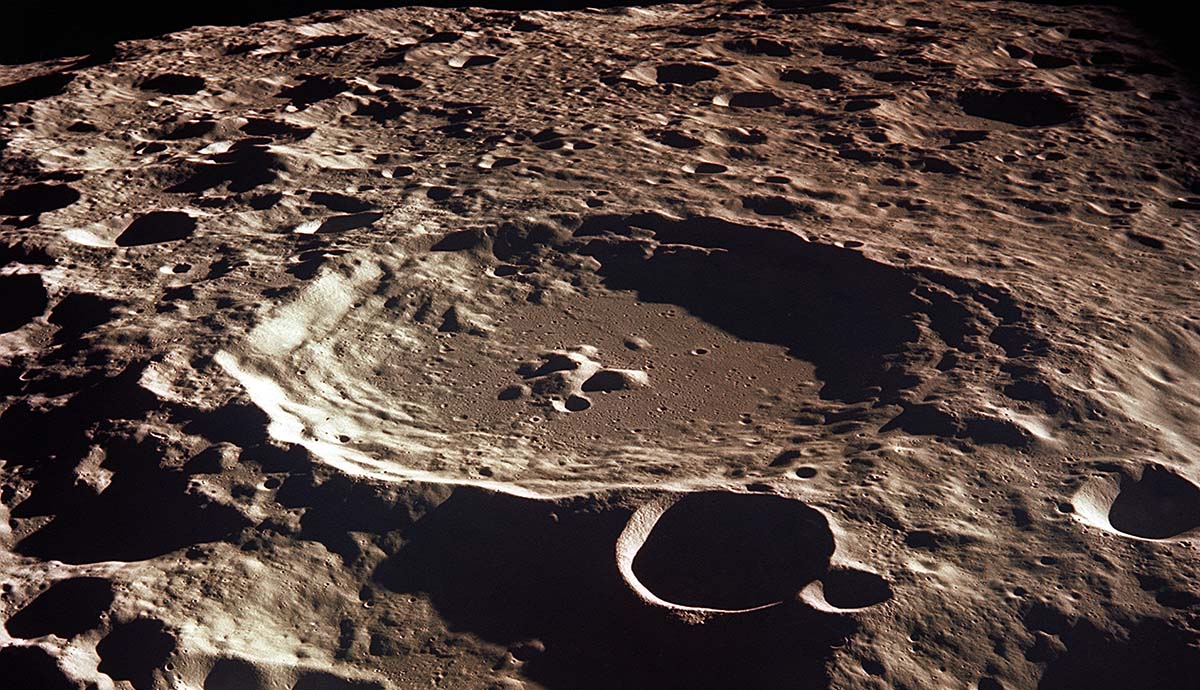
On Earth, seismic energy is absorbed by water, molten layers, and tectonic activity. On the Moon, energy travels through dry rock and reflects inside the crust, causing long-lasting vibrations.
This explains much of the ringing effect.
The Unresolved Q Value
Scientists use a measurement called the seismic quality factor (Q value) to measure how efficiently energy moves through a material.
Apollo data showed that the Moon’s Q value is unusually high, meaning it loses very little seismic energy.
The problem is:
- the Q value is higher than expected for dry rock
- laboratory materials like granite or basalt do not fully match it
- the model explains part of the behavior but not all
This remains an open scientific question.
Disagreement About the Moon’s Core
Two scientific teams analyzed the same Apollo seismic data and reached different conclusions.
- solid inner core
- molten outer core
- layered interior
Another model suggests:
- fully fluid core
- different internal structure
Both studies are peer-reviewed and still accepted in scientific literature.
The main reason for disagreement is limited data, because Apollo seismometers stopped operating in 1977.
Discovery of 22,000 Moonquakes
In 2024, researchers reanalyzed Apollo seismic recordings using modern AI and signal processing.
They discovered:
- 22,000 previously undetected moonquakes
- thermal quakes
- meteoroid impacts
- shallow tectonic events
- 2.6 times more seismic activity than previously recorded
This shows the Moon is more active than scientists believed.
Uneven Seismic Activity
The new data revealed that moonquakes are not evenly distributed.
Key finding:
- northern hemisphere is more active than southern hemisphere
This suggests differences in the Moon’s internal structure, but scientists do not yet agree on the cause.
The Moon Is Shrinking
The Moon is slowly cooling and contracting.
As the iron core cools:
- the Moon shrinks
- the crust compresses
- fault scarps form
- moonquakes occur
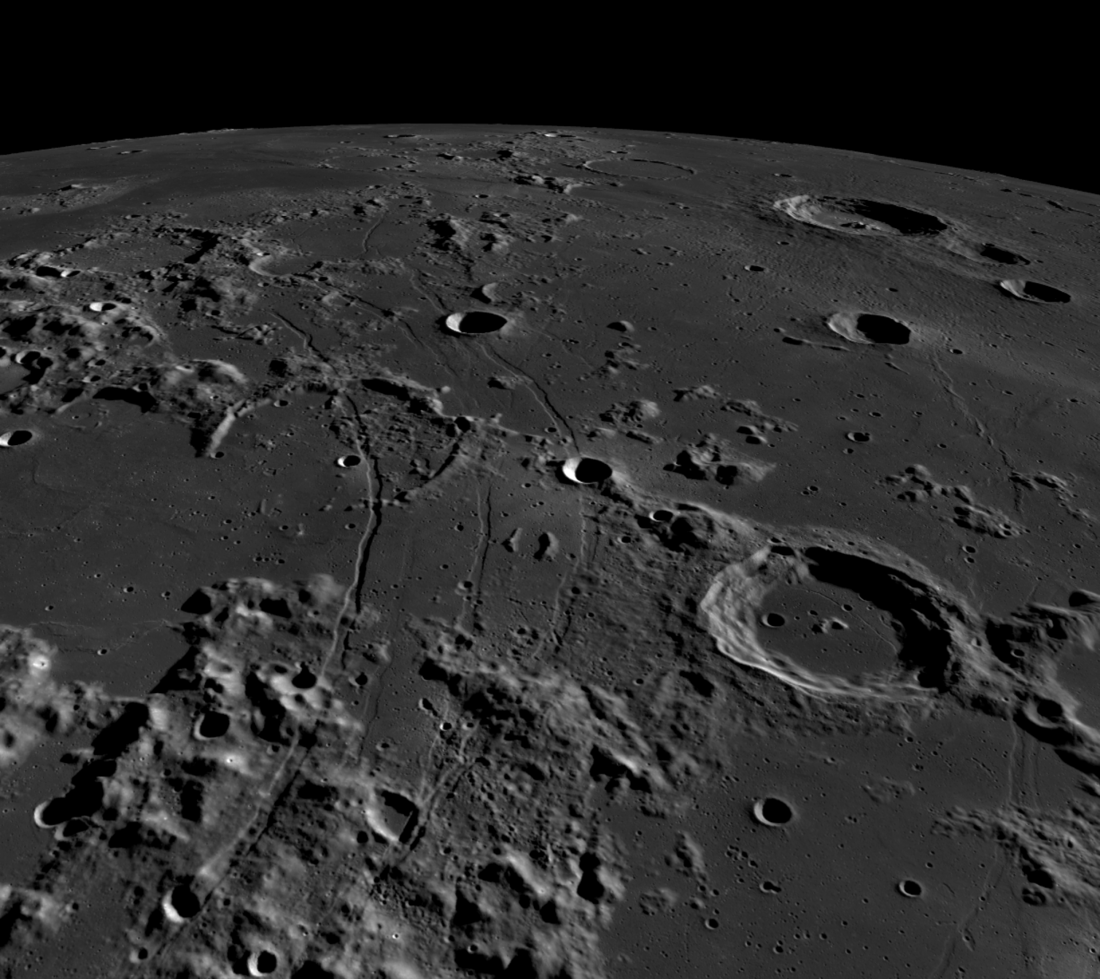
NASA’s Lunar Reconnaissance Orbiter has identified over 3,500 fault scarps on the surface.
These are relatively young geological features and indicate ongoing tectonic activity.
Artemis Mission Risk

NASA plans to land astronauts near the lunar south pole under the Artemis program.
Scientific studies show:
- a magnitude 5 moonquake occurred near the south pole in Apollo data
- lunar shaking can last 1 to 2 hours
- steep crater walls may collapse during seismic activity
- water ice is located in these risky areas
This means seismic activity is an important factor for future lunar missions.
No Seismometers Since 1977
Apollo deployed four seismometers on the Moon between 1969 and 1972.
All were shut down in 1977 due to budget limits.
Since then:
- no active seismometers on the Moon
- no continuous seismic monitoring
- limited data for hazard assessment
This created a 47-year gap in lunar seismic observations.
New Instruments Coming
NASA plans to deploy new seismometers around 2026, including far-side seismic instruments.
This will help:
- monitor moonquakes
- study fault activity
- improve understanding of lunar structure
- support future human missions
However, astronauts may arrive around the same time new instruments begin collecting data.
What Scientists Still Do Not Know
Scientists understand many aspects of the Moon, but key questions remain:
- exact internal structure of the Moon
- reason for unusually high seismic Q value
- cause of hemispheric seismic differences
- full behavior of lunar fault systems
More seismic data is needed to answer these questions.
Conclusion
Apollo experiments showed that the Moon behaves differently from Earth when struck by impacts.
Modern analysis revealed thousands of hidden moonquakes and active fault systems.
The Moon is still geologically evolving, and scientists continue to study its structure.
The Moon is not mysterious or hollow, but it is still not fully understood.
Future missions and new instruments will provide the data needed to complete the picture.