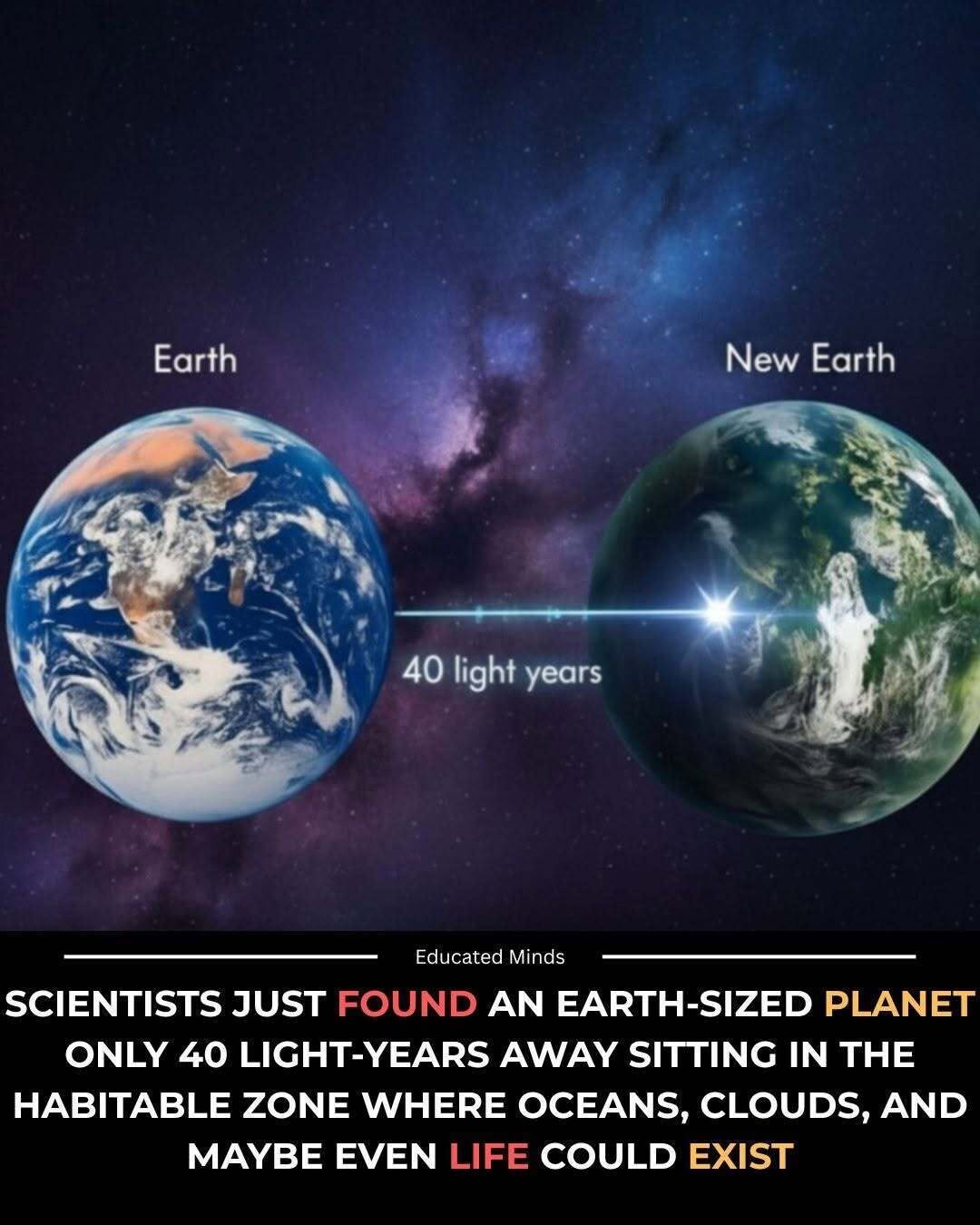
Forty light years away, another Earth may be waiting
Astronomers have discovered a planet almost identical in size to our own, orbiting a quiet red dwarf star just forty light years from Earth. It lies within the habitable zone, the region where liquid water — and possibly life — could exist.

Named Gliese 12 b, this new world circles a star far gentler and longer-lived than our sun, giving life billions of years to emerge and evolve.
Early observations suggest a rocky surface and a stable orbit, making it one of the most promising candidates yet for an Earth-like planet. The James Webb Space Telescope is now studying its light, searching for the faint signatures of an atmosphere that might hold the breath of something alive.

If we find water there, it would mean we are not alone in our kind of world — that nature has written the same story twice across the universe.
Somewhere in that distant sky, another sunrise may already be shining.
James Webb Space telescope found lights on planets Saturn and Uranus

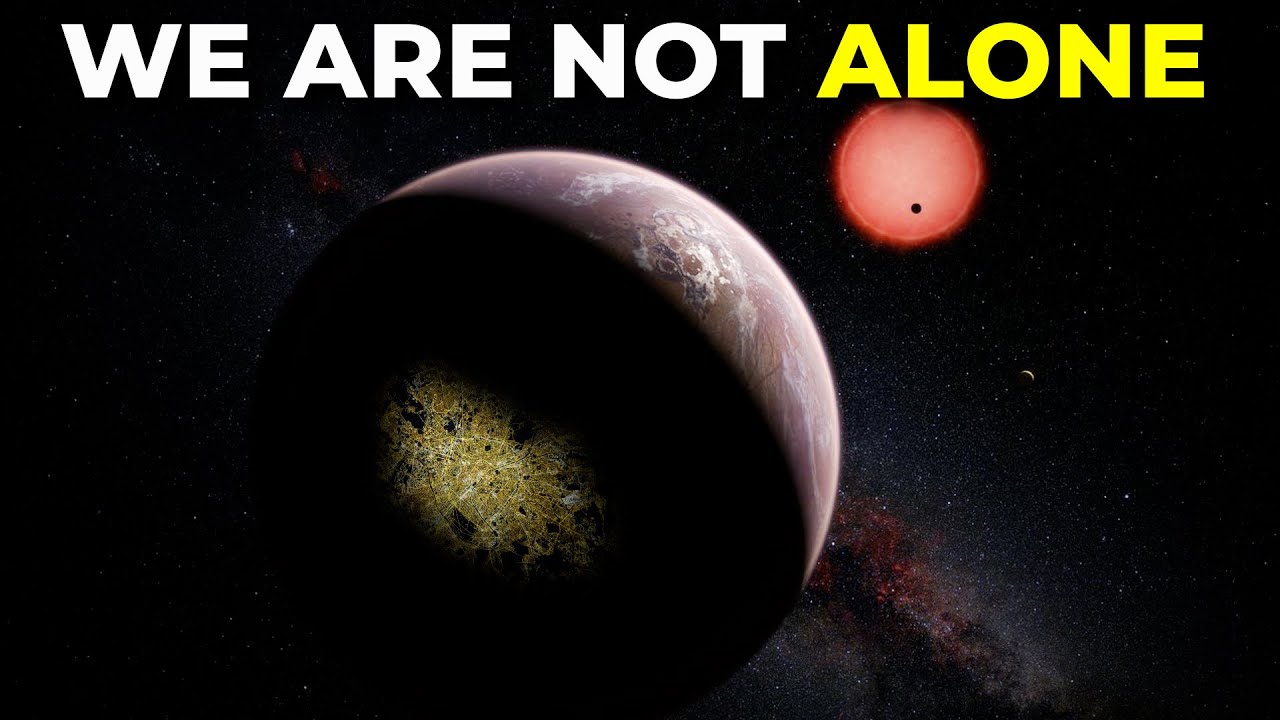
The discovery of the TRAPPIST-1 system in 2017 was a groundbreaking moment in the search for life beyond our solar system. This system contains seven Earth-sized planets, three of which are located in the habitable zone, where conditions may be just right to support life. In this video, we take a closer look at the TRAPPIST-1 system and explore the possibility of life on these distant worlds.